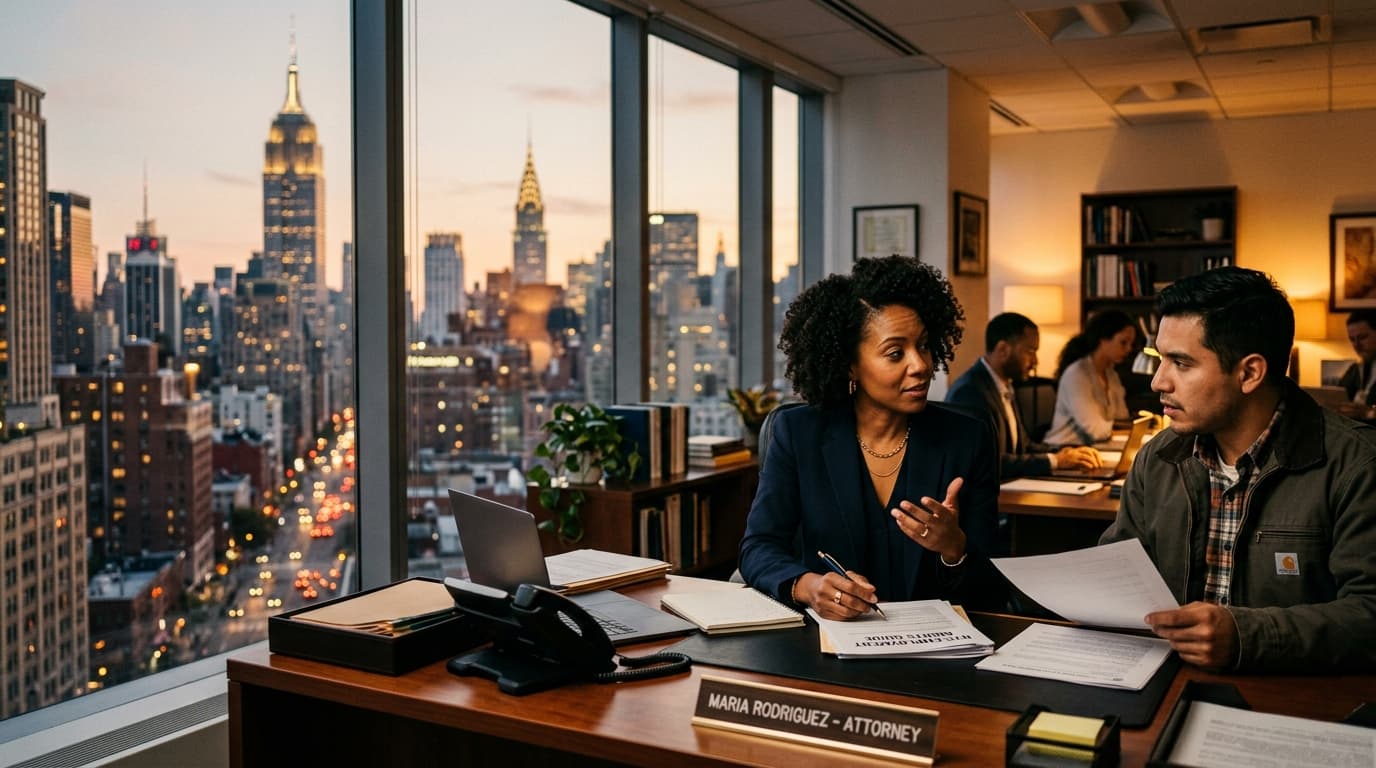
Navigate NYC's robust employment laws. This guide empowers workers with essential rights, protections, and resources for a fair workplace.
Introduction: Navigating Your NYC Employment Law Rights
New York City isn't just a global hub of culture and commerce; it's also a beacon for worker protections. As an employee in the five boroughs, you possess a robust set of rights designed to ensure fair treatment, decent wages, and a safe working environment. Understanding these protections is not just good practice—it's essential for safeguarding your livelihood and well-being.
This guide will walk you through the intricate landscape of NYC employment law, illuminating the foundational rights every worker should know, special protections for diverse groups, and the steps to take if your rights are violated.
Why NYC Stands Out: A Beacon for Worker Protections
While federal and New York State laws provide a baseline, NYC often goes further, establishing some of the most comprehensive and progressive worker protections in the nation. From pioneering anti-discrimination statutes to innovative wage and scheduling laws, the city continually strives to create a more equitable workplace for everyone. This commitment reflects the diverse and dynamic nature of its workforce.
Foundational Rights: What Every NYC Worker Should Know
Your employment in New York City is governed by a powerful framework of laws. These foundational rights cover everything from how you're paid to how you're treated on the job.
Understanding Wage and Hour Laws in NYC
Fair compensation and reasonable working hours are cornerstones of employment. NYC has specific rules designed to protect your earnings and schedule.
Current NYC Minimum Wage & Overtime Rules (Including Tipped Workers)
As of January 1, 2026, the minimum wage in New York City is $17.00 per hour for most workers. This rate is higher than both the state and federal minimums, reflecting the city's higher cost of living. Employers are legally obligated to pay at least the applicable minimum wage.
For tipped employees, New York uses industry-specific tip-credit rules, and employers must make up the difference if cash wages plus tips do not reach the required minimum wage. Non-exempt employees in NYC are also entitled to overtime pay at 1.5 times their regular rate for all hours worked over 40 in a workweek, as per the Fair Labor Standards Act (FLSA) and NY Labor Law.
NYC Paid Safe and Sick Leave Law: Your Right to Time Off (Including 2026 Expansion)
NYC's Paid Safe and Sick Leave Law ensures workers can take paid time off for personal illness, to care for a sick family member, or for safe time related to domestic violence, sexual assault, or stalking. Depending on the size of their employer, workers accrue up to 40 or 56 hours of paid leave per year.
A significant expansion is set to take effect in 2026, broadening the definition of "family member" to include any individual related by blood or whose close association is the equivalent of a family relationship. This ensures even more New Yorkers can care for loved ones without fear of losing pay or their job.
The Fair Workweek Law: Predictability for Retail and Fast Food Workers
Designed to combat unpredictable scheduling practices, the Fair Workweek Law primarily protects employees in the retail and fast food industries. This law mandates that employers in these sectors provide schedules in advance (at least 14 days for fast food, 72 hours for retail), offer existing employees new shifts before hiring externally, and provide "predictability pay" for last-minute schedule changes or cancellations. It aims to give workers more stability and control over their lives.
Combating Wage Theft: Recognizing and Recovering What You're Owed
Wage theft, which includes unpaid minimum wage, unpaid overtime, illegal deductions, or not receiving your final paycheck, is a serious issue. Studies have shown wage theft disproportionately affects low-wage workers, costing them billions annually nationwide. NYC has strong protections against this. If you suspect your employer is withholding wages, it's crucial to document your hours and pay. The city and state have agencies dedicated to helping workers recover stolen wages.
Protecting Against Discrimination and Harassment in NYC Workplaces
New York City has some of the strongest anti-discrimination laws in the country, fostering workplaces free from bias and hostility.
NYC Human Rights Law: Broadest Protections Nationwide (e.g., Gender Identity, Caregiver Status, Arrest Record)
The NYC Human Rights Law (NYCHRL) offers significantly broader protections than federal or state laws. It prohibits discrimination based on an extensive list of protected characteristics, including:
- Age
- Race
- Creed
- Color
- National origin
- Gender (including gender identity and expression)
- Disability
- Marital status
- Partnership status
- Sexual orientation
- Alienage or citizenship status
- Pregnancy
- Atypical heredity cellular or blood trait
- Familial status
- Caregiver status
- Status as a victim of domestic violence, sexual violence, or stalking
- Unemployment status
- Credit history
- Salary history
- Arrest or conviction record (with specific limitations)
This comprehensive list means that many forms of discrimination that might not be covered elsewhere are illegal in NYC.
Sexual Harassment: Zero Tolerance in the Five Boroughs (Stop Sexual Harassment in NYC Act)
New York City has a zero-tolerance policy for sexual harassment. The Stop Sexual Harassment in NYC Act expanded protections, making it easier for victims to come forward and strengthening employer responsibilities. This includes mandatory annual anti-harassment training for all employees and a lower standard for proving harassment than under federal law. Harassment is defined broadly to include any unwanted conduct of a sexual nature that creates an intimidating, hostile, or offensive work environment.
Workplace Retaliation: Your Right to Speak Up Without Fear
It is illegal for an employer to retaliate against you for exercising your protected rights. This means you cannot be fired, demoted, harassed, or suffer any adverse employment action for reporting discrimination, harassment, wage theft, or any other violation of employment law. Your right to speak up without fear of reprisal is a fundamental protection under NYC law.
Leave, Accommodation, and Safety Protections
Beyond fair pay and non-discrimination, NYC workers are also entitled to various forms of leave, reasonable accommodations, and a safe workplace.
Family, Medical, and Sick Leave: A Comprehensive Overview (FMLA, NY Paid Family Leave, NYC PS&SL)
NYC employees benefit from a layered system of leave laws:
- Family and Medical Leave Act (FMLA): A federal law providing eligible employees with up to 12 weeks of unpaid, job-protected leave for specific family and medical reasons.
- New York Paid Family Leave (NYPFL): A state law offering eligible employees paid time off to bond with a new child, care for a seriously ill family member, or assist when a family member is deployed abroad on active military service.
- NYC Paid Safe and Sick Leave (NYC PS&SL): As discussed, this city law provides paid time off for personal or family illness, or for safe time needs.
These laws often overlap but can also complement each other, offering comprehensive support for life's challenges.
Reasonable Accommodations: Ensuring an Inclusive Workplace (Disability, Pregnancy, Religion)
Employers in NYC are generally required to provide reasonable accommodations to employees with disabilities, those who are pregnant, and those with sincerely held religious beliefs. This means making modifications to the job or work environment that allow an employee to perform their essential job functions, without causing undue hardship to the employer. Examples include modified work schedules, assistive technology, or adjustments to dress codes.
Workplace Safety: Your Right to a Hazard-Free Environment (OSHA and NYC-specific rules)
All workers have a right to a safe workplace free from recognized hazards. The federal Occupational Safety and Health Act (OSHA) sets national standards, but NYC also has specific building codes and health regulations that contribute to workplace safety. Employers are responsible for providing a safe environment, proper training, and necessary safety equipment. If you believe your workplace is unsafe, you have the right to report it.
Special Protections for NYC's Diverse Workforce
New York City's economy relies on a wide array of workers, and the city has enacted specific laws to protect some of its most vulnerable or unique segments.
The Freelance Isn't Free Act: Empowering Independent Contractors
Recognizing the growing gig economy, NYC passed the Freelance Isn't Free Act. This groundbreaking law provides independent contractors with the right to a written contract, timely payment, and protection from retaliation. It also establishes a clear process for filing complaints against clients who fail to pay or breach contract terms, ensuring freelancers have avenues for recourse.
Delivery Worker Rights: New Standards for a Vital Industry (Minimum Pay, Bathroom Access, Future Protections)
Delivery workers are the backbone of NYC's food service. Recent legislation has established critical protections, including a first-of-its-kind minimum pay standard for app-based delivery workers, which began phasing in in April 2024. This law mandates a minimum earnings floor, regardless of tips. Additionally, delivery workers now have the right to use restaurant bathrooms, and apps must provide insulated bags. Further protections concerning pay transparency and tip handling are also being developed.
Other Key Protections: From Hiring to Scheduling Practices
NYC's commitment to worker rights extends across the entire employment lifecycle.
Ban the Box & Salary History Ban: Promoting Fair Hiring
The "Ban the Box" law prohibits most employers from inquiring about an applicant's criminal history until after a conditional offer of employment has been made. This aims to give individuals with past convictions a fairer chance at employment. Similarly, the Salary History Ban prevents employers from asking about a job applicant's past wages, promoting pay equity by ensuring new compensation is based on the job's value, not previous underpayment.
The "Trapped at Work" Act: Banning Stay-or-Pay Provisions
The "Trapped at Work" Act addresses restrictive employment clauses. It prohibits employers from requiring employees to pay for training costs if they leave within a certain timeframe, effectively banning "stay-or-pay" provisions that can trap workers in undesirable jobs. This law ensures greater mobility and freedom for employees.
When Your NYC Employment Law Rights Are Violated: Taking Action
If you believe your employment rights have been violated, it's crucial to understand your options and where to seek help. Taking prompt action can be vital for a successful resolution.
Internal vs. External Reporting: Where to Start Your Complaint
Often, the first step is to report the issue internally, following your company's policies. Many employers have human resources departments or designated channels for complaints about discrimination, harassment, or other workplace issues. Documenting this internal report is important.
However, if internal reporting is not an option, proves ineffective, or if you fear retaliation, you can and should pursue external reporting through government agencies or legal counsel.
Key NYC Agencies and Resources for Workers
Several agencies at the city, state, and federal levels are dedicated to enforcing employment laws and assisting workers.
NYC Commission on Human Rights (NYCCHR): For Discrimination and Harassment Claims
The NYCCHR is the primary agency for enforcing the NYC Human Rights Law. If you experience discrimination or harassment based on any of the protected characteristics, the NYCCHR can investigate your complaint, mediate disputes, and even order remedies like back pay or policy changes. In 2023 alone, the NYCCHR resolved thousands of complaints, recovering millions in damages for victims of discrimination.
NYC Department of Consumer and Worker Protection (DCWP): For Wage Theft, Fair Workweek, and Paid Sick Leave Issues
The DCWP is a crucial resource for issues related to wage and hour laws, including minimum wage, overtime, wage theft, the Fair Workweek Law, and Paid Safe and Sick Leave. They investigate complaints, educate workers and businesses, and enforce compliance with city-specific labor laws.
NYS Department of Labor (NYSDOL): State-Level Protections
For state-level wage and hour violations, including minimum wage, overtime, and prevailing wage issues, the NYS Department of Labor is the appropriate agency. They also handle unemployment insurance claims and provide workplace safety information.
Federal Agencies: EEOC and OSHA
- Equal Employment Opportunity Commission (EEOC): The federal agency responsible for enforcing federal anti-discrimination laws (like Title VII of the Civil Rights Act). While the NYCHRL is broader, some federal claims may also apply.
- Occupational Safety and Health Administration (OSHA): The federal agency ensuring safe and healthful working conditions. If your workplace is unsafe, OSHA can investigate.
The Role of Legal Counsel: When to Contact an Experienced Employment Attorney
Navigating employment law can be complex. An experienced NYC employment attorney can provide invaluable guidance, whether you're considering filing a complaint, responding to an employer's actions, or negotiating a settlement. They can help you understand your rights, assess the strength of your case, gather evidence, and represent your interests effectively in negotiations or litigation. Consulting an attorney early can significantly impact the outcome of your claim.
Frequently Asked Questions About NYC Employment Law Rights
What is the current minimum wage in NYC for most workers?
As of January 1, 2026, the minimum wage in New York City is $17.00 per hour for most workers.
Can my employer fire me for any reason in NYC, even if I'm "at-will"?
While New York is an "at-will" employment state, meaning an employer can generally terminate employment for any non-discriminatory reason, they cannot fire you for an illegal reason. This includes firing you due to discrimination, retaliation for exercising your rights, or for reasons that violate public policy (e.g., whistleblowing).
Are undocumented workers protected by NYC employment laws?
Yes, absolutely. NYC employment laws, including minimum wage, anti-discrimination, and paid sick leave protections, apply to all workers in the city, regardless of their immigration status. Employers cannot use immigration status to deny workers their legal rights.
What should I do if I suspect I'm being discriminated against at work in NYC?
Document everything: dates, times, specific incidents, witnesses, and any related communications. Review your company's internal policies for reporting. If comfortable, report the issue internally. If not, or if the internal process is ineffective, contact the NYC Commission on Human Rights (NYCCHR) or an experienced employment attorney immediately.
How does NYC's Paid Safe and Sick Leave differ from New York State's law?
NYC's Paid Safe and Sick Leave Law generally offers more robust protections than the New York State Paid Sick Leave Law. For instance, NYC's law allows for the use of "safe time" related to domestic violence, sexual assault, or stalking, which the state law does not explicitly cover. The NYC law also has specific provisions regarding accrual and usage that may differ slightly from the state's baseline. Always refer to the NYC law for workers within the five boroughs.
If you believe your employment rights have been violated in New York City, don't face it alone. Understanding your options is the first step toward justice. Contact an experienced NYC employment law attorney today for a free and confidential case review. Protect your rights and ensure fair treatment in the workplace.
Related Resources
Written by
James Calloway
Founder and Editor at NYCWorkJustice. Focused on making employment law accessible to every worker in New York City, regardless of language or immigration status. Researches NYC labor statutes, enforcement actions, and worker protection trends to help people understand and exercise their rights.
Need Help With Your Case?
If you believe your rights have been violated, our platform can connect you with an experienced employment attorney at no upfront cost.
Start Your Free Case Review