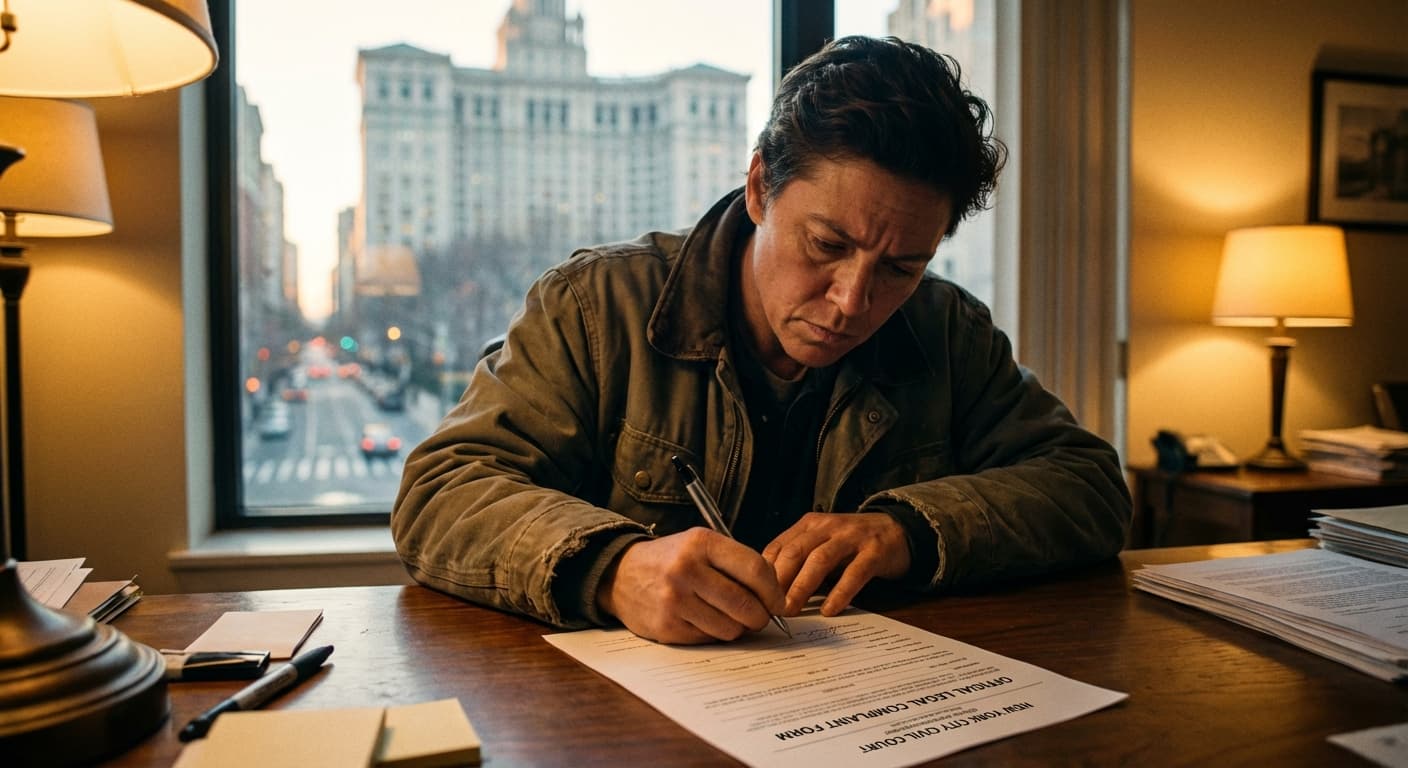
The NYC government recovered over $8.5 million for workers in recent enforcement actions. If your employer is stealing your wages, here's exactly how to file a complaint and what to expect.
Wage theft — when employers fail to pay workers what they're legally owed — affects hundreds of thousands of New Yorkers every year. The good news: the city and state have multiple enforcement mechanisms, and recent actions have recovered millions for workers. In 2026 alone, the NYC administration secured nearly $2 million for over 830 fast-food and retail workers, and has recovered over $8.5 million total since taking office.
Here's exactly how to file a complaint and what happens after you do.
Before You File: Gather Your Evidence
The strongest wage theft complaints are backed by documentation. Collect as much of the following as you can:
- Pay stubs (or photos of them) — employers are required to provide detailed wage statements under NY Labor Law § 195
- Records of hours worked — your own notes, time clock photos, text messages confirming schedules
- Employment documents — offer letters, contracts, handbooks, or anything stating your agreed pay rate
- Communications — texts, emails, or voicemails from your employer about pay, hours, or schedules
- Bank statements or cash records — showing what you were actually paid
- Contact information for coworkers — who can corroborate your hours or pay issues
Don't have perfect records? File anyway. The burden shifts to your employer to produce time and pay records. If they can't, that works in your favor.
Option 1: File with the New York State Department of Labor
The NYS DOL investigates wage theft claims at no cost to you.
How to file:
- Visit dol.ny.gov and search for the wage complaint form (LS 223)
- Complete the form with your information, employer's information, and details of the violation
- Submit online, by mail, or in person at a DOL office
- You can file in English or Spanish
What happens next:
- A DOL investigator reviews your complaint
- The DOL contacts your employer and requests payroll records
- If violations are found, the DOL orders the employer to pay owed wages plus damages
- The DOL can assess liquidated damages equal to 100% of unpaid wages (double your money)
- If your employer doesn't comply, the case may be referred to the Attorney General
Timeline:
Investigations typically take 3–12 months, though complex cases can take longer.
Option 2: File with the NYC Department of Consumer and Worker Protection (DCWP)
DCWP enforces NYC-specific laws including the Fair Workweek Law, Freelance Isn't Free Act, and Paid Safe and Sick Leave.
When to use DCWP:
- Your employer violated NYC scheduling laws (fast food, retail)
- You're a freelancer who wasn't paid under the Freelance Isn't Free Act
- Your employer denied you safe and sick time
- You experienced Fair Workweek violations
How to file:
Visit nyc.gov/dcwp or call 311 and ask to file a worker complaint.
Option 3: File a Private Lawsuit
You can file a civil lawsuit in court, either individually or as part of a class/collective action.
Advantages of a lawsuit:
- Potentially higher recoveries (back wages + 100% liquidated damages + interest + attorney fees)
- Ability to bring claims on behalf of multiple affected workers
- Faster resolution in some cases
- No cost to you — employment attorneys work on contingency
When a lawsuit makes more sense:
- Large amount of unpaid wages
- Multiple workers affected
- Employer has a pattern of violations
- You also have retaliation, discrimination, or wrongful termination claims
What You Can Recover
Under New York law, a successful wage theft claim can yield:
- 100% of unpaid wages owed
- 100% liquidated damages (double your wages)
- Prejudgment interest (9% per year in New York)
- Attorney's fees and costs (employer pays)
- Penalties for failure to provide proper wage notices and pay stubs ($50/day, up to $5,000)
Retaliation Protection
Filing a wage complaint is a protected activity under New York Labor Law § 215. Your employer cannot fire you, reduce your hours, change your schedule, threaten you, or take any adverse action because you filed. If they do, that's a separate violation with its own penalties ($1,000–$10,000).
Statute of Limitations
- NYS DOL complaint: 6 years
- Federal FLSA lawsuit: 2 years (3 years for willful violations)
- NYS civil lawsuit: 6 years
Don't wait. File as soon as you can — the longer you wait, the harder it is to gather evidence and the more wages you lose.
Written by
James Calloway
Founder and Editor at NYCWorkJustice. Focused on making employment law accessible to every worker in New York City, regardless of language or immigration status. Researches NYC labor statutes, enforcement actions, and worker protection trends to help people understand and exercise their rights.
Need Help With Your Case?
If you believe your rights have been violated, our platform can connect you with an experienced employment attorney at no upfront cost.
Start Your Free Case Review